
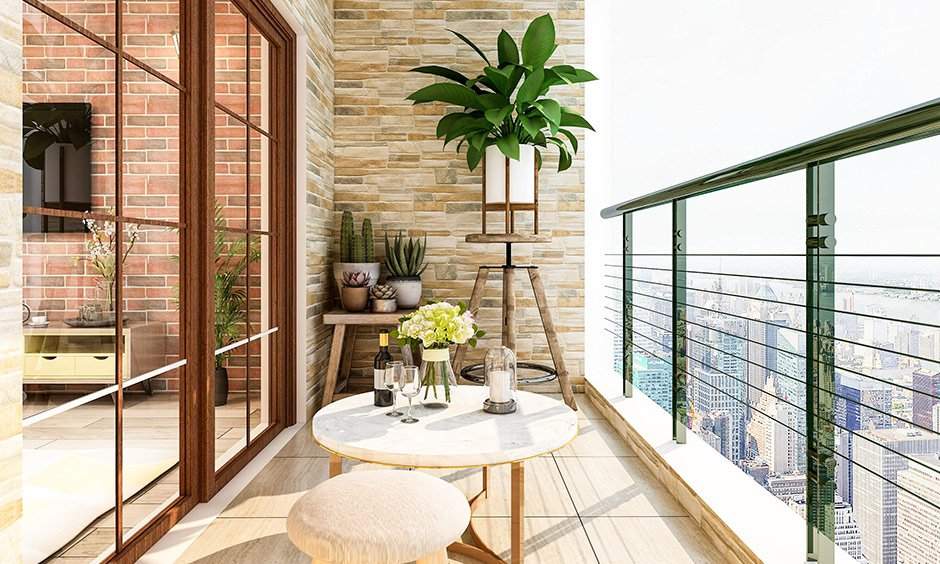
A balcony can become the most wasted square footage in an American apartment, condo, townhouse, or compact city home. The strange part is that the space often fails not because it is too small, but because it is treated like an afterthought. Good Small Balcony Tips start with one clear decision: the balcony needs a job before it needs décor. A five-foot ledge outside a Chicago rental, a narrow patio in Los Angeles, or a third-floor balcony in Atlanta can all work harder when every item earns its place. Many renters search for inspiration, buy a cute chair, add a plant, and still avoid the space because it feels cramped, dusty, or awkward. That is the trap. A useful balcony should feel easy to step into, easy to clean, and easy to enjoy for ten minutes or two hours. For homeowners, renters, and local lifestyle publishers looking at stronger home content ideas through digital publishing resources, the real win is simple: make outdoor square footage feel like part of daily life, not a storage corner with a railing.
Small Balcony Tips That Start With Purpose, Not Products
A small balcony becomes useful when you stop asking what can fit and start asking what the space should do. That shift matters because most failed balcony setups come from random buying, not lack of room. One person needs a morning coffee seat, another needs a plant wall, and another needs a quiet laptop break after work. The layout changes completely depending on the purpose, and forcing one balcony to do everything usually makes it good at nothing.
Apartment balcony ideas that match your daily habits
A balcony should follow your real routine, not the fantasy version of your weekend self. If you live in a Dallas apartment and leave for work before sunrise, a full dining setup may sit untouched while a single weather-safe chair and small drink table would get daily use. The smartest apartment balcony ideas begin with the exact moment you want to improve.
Morning people need clear access, quick comfort, and a surface for coffee. Evening users need lighting, privacy, and enough room to sit without moving three things first. Remote workers need shade and back support more than they need decorative lanterns. The balcony should serve the hour you actually have.
The counterintuitive move is to choose less. A balcony with one strong purpose often feels larger than a balcony filled with five tiny compromises. A reading corner beats a cramped garden-dining-laundry hybrid every time, because the space tells you what to do the second you open the door.
Small balcony design begins with empty floor space
Floor space is not leftover space. It is the reason the balcony feels usable. A narrow balcony in a New York walk-up can feel generous if the walking path stays open, while a wider balcony in Phoenix can feel annoying when every step requires dodging planters and chair legs.
Good small balcony design usually starts by clearing the center. Push weight to the edges, use corners with intention, and keep the door swing free. That sounds plain, but it changes everything. A balcony that lets you step outside without turning sideways feels calmer before you add a single cushion.
Measure the balcony before buying furniture, then mark the footprint with painter’s tape. This one habit saves money, returns, and irritation. Furniture always looks smaller online, and outdoor chairs with angled legs can steal more room than expected. Space is not measured by square feet alone; it is measured by how easily your body moves through it.
Choosing Furniture That Works Hard Without Taking Over
Once the balcony has a clear purpose, furniture becomes easier to judge. The right piece should support the way you live outside without bullying the space. A bulky lounge chair may look tempting in a store, but on a small balcony it can become a gatekeeper that blocks movement, cleaning, and comfort.
Outdoor seating for small spaces needs honest proportions
Outdoor seating for small spaces should fit the balcony and the person using it. Many compact chairs look smart until you sit in them for fifteen minutes and realize the back angle is wrong or the seat is too low for comfort. A balcony should not punish you for staying awhile.
Folding bistro chairs work well for renters because they disappear when needed, but they are not the only answer. A slim bench against a wall can seat two people and leave the center open. A single lounge-style chair may also make sense when the balcony belongs to one person who wants comfort over capacity. Two bad chairs do not beat one good seat.
American weather makes material choice matter more than people admit. Metal can heat up fast in Arizona or Nevada, untreated wood can suffer in humid Southern states, and light cushions can collect city grime near busy roads. Comfort means little if the chair feels unpleasant half the year, so choose material for your climate before you choose color.
Foldable, stackable, and wall-mounted pieces earn their keep
Flexible furniture turns a tight balcony into a space that can change during the week. A folding table can hold breakfast on Saturday, then flatten against the wall by Monday. Stackable stools can handle guests without sitting in the way every afternoon.
Wall-mounted drop-leaf tables deserve more respect. They give renters and condo owners a surface without permanent clutter, and many options can be installed with minimal visual weight where rules allow. For stricter leases, a railing table may work, but you need to check building rules because some communities ban anything hanging over the edge.
The best test is simple: can you clean the balcony without feeling annoyed? If moving furniture feels like a chore, the setup will slowly collect dust, leaves, and regret. Furniture should invite use, not create another weekend task.
Storage, Plants, and Privacy Without Creating Clutter
A useful balcony needs support systems, but they should stay quiet. Storage, greenery, and privacy can improve the space fast, yet they can also turn it into a crowded little shed if handled carelessly. The goal is not to hide the balcony under accessories. The goal is to make it feel cared for.
Balcony storage solutions that stay out of sight
Balcony storage solutions work best when they disappear into something you already need. A storage bench can hold cushions, gardening gloves, citronella candles, or a small watering can while still giving you a place to sit. A narrow deck box can do the same for renters who cannot mount anything to the wall.
Vertical storage beats floor storage on most small balconies. A slim shelving unit against the side wall can hold plants, tools, and small décor without eating the walking path. The mistake is choosing deep shelves. Deep shelves invite piles, and piles turn outdoor space into a holding zone for things you did not want inside.
Weather protection matters. Cushions, throws, and small rugs should have a dry home, especially in rainy parts of the Pacific Northwest, hurricane-prone coastal states, or snowy cities in the Midwest. Storage should protect the items that make the balcony pleasant, not become a graveyard for broken pots and forgotten supplies.
Privacy screens should soften the view, not shut out the world
Privacy can make a balcony feel usable, especially when neighboring buildings sit close. Still, the strongest privacy setups filter attention rather than blocking every inch. Reed panels, outdoor curtains, tall planters, or slatted screens can create enough separation without making the balcony feel boxed in.
Plants help when they are chosen for the conditions you actually have. A shady Seattle balcony needs different greenery than a sun-baked Miami balcony. Herbs can work in small containers, but they need enough sun and regular watering. Tall grasses in planters can add movement and softness, though they need weight at the base in windy spots.
The unexpected truth is that full privacy can make a balcony feel smaller. A complete visual wall may protect you from neighbors, but it can also remove depth and air. Leave one sightline open, even a narrow one, so the space still feels connected to the sky.
Comfort Details That Make the Balcony Worth Using
The final layer is where a balcony becomes personal. Comfort does not mean adding more stuff. It means removing the tiny frictions that keep you from stepping outside: harsh light, cold flooring, no place to set a drink, no evening glow, or a setup that feels exposed.
Small balcony design feels better with light, shade, and texture
Lighting changes whether a balcony gets used after dinner. A soft outdoor lamp, battery lantern, or warm string lights can make a compact space feel calmer without overpowering it. Bright white lighting often feels harsh outside, especially on balconies facing other apartments.
Shade deserves the same attention. A clip-on umbrella, roll-up shade, or outdoor curtain can make a west-facing balcony bearable during summer. In cities like Austin, Las Vegas, and Sacramento, afternoon sun can turn a balcony into a place you admire from indoors unless you manage heat directly.
Texture brings comfort underfoot and around the seat. Outdoor rugs can define the area, but they need drainage and cleaning. Interlocking deck tiles can upgrade concrete, though renters should choose removable options and check moisture underneath. A balcony should feel finished, not precious.
Outdoor seating for small spaces improves when every reach is easy
Comfort often comes down to reach. You need a place for a cup, book, phone, snack, or pair of sunglasses. Without that surface, even a good chair feels incomplete. A tiny side table, railing shelf, or stool can solve the problem without crowding the floor.
Sound also shapes comfort. A balcony near traffic may need a small fountain, wind chime, or dense planting to soften the noise. A quiet balcony may need nothing more than fabric and greenery to feel warmer. The point is to notice the senses, not decorate by checklist.
Seasonal habits keep the space alive. In spring, wash the floor and refresh plants. In summer, add shade and water storage. In fall, bring in textiles that cannot handle cold rain. In winter, store what will crack or fade. The balcony stays useful when care becomes light and regular, not dramatic and overdue.
A small outdoor area does not need a grand makeover to become part of your life. It needs a purpose, a clear path, furniture that respects the footprint, and a few comfort choices that match your climate and routine. Small Balcony Tips matter because the difference between wasted space and loved space is often one smart removal, not one more purchase. Start by taking everything off the balcony, then put back only what supports the way you want to use it this week. That single reset will teach you more than any shopping list ever could. Make the space easy to enter, easy to sit in, and easy to maintain, and your balcony will stop feeling like leftover square footage. It will become the small outdoor room you actually use.
Frequently Asked Questions
What are the best apartment balcony ideas for renters?
Choose removable furniture, freestanding privacy screens, outdoor rugs, folding chairs, and railing-safe planters that do not damage walls or floors. Renters should check lease rules before mounting anything, then focus on pieces that move easily during cleaning, storms, or a future apartment change.
How can small balcony design make a narrow space feel bigger?
Keep the center open, place furniture along the edges, and use vertical storage instead of floor-heavy pieces. Light colors, slim legs, and one clear purpose also help the balcony feel larger because the eye sees order instead of clutter.
What outdoor seating for small spaces works best on tiny balconies?
A folding bistro chair, slim bench, compact lounge chair, or stackable stool can work well. The best choice depends on how you use the balcony. One comfortable seat often beats two cramped chairs that make the space harder to enjoy.
What balcony storage solutions are good for cushions and tools?
A storage bench, narrow deck box, or weather-resistant cabinet can protect cushions, small tools, candles, and plant supplies. Pick storage that doubles as seating or fits against a wall so it solves a problem without stealing the main walking area.
How do I add privacy to a small balcony without blocking airflow?
Use reed screening, outdoor curtains, tall planters, or a slatted divider that filters views while allowing air through. Avoid sealing every side. Leaving one open sightline keeps the balcony from feeling boxed in and helps the space breathe.
What plants work well for small balcony design in the USA?
Choose plants based on sun, wind, and local climate. Herbs suit sunny balconies, ferns handle shade, and ornamental grasses can add privacy in sturdy planters. Native or climate-suited plants usually perform better because they need less fuss to stay healthy.
How can I make outdoor seating for small spaces feel more comfortable?
Add a weather-safe cushion, a small side table, shade, and soft lighting. Comfort improves when every common need is within reach. A chair alone rarely feels complete, but a chair with support, surface space, and shade becomes useful.
What are low-cost apartment balcony ideas for quick improvement?
Clean the floor, remove unused items, add one folding chair, place a small table nearby, and bring in one healthy plant. A simple outdoor rug or battery lantern can also shift the mood fast without turning the balcony into an expensive project.