
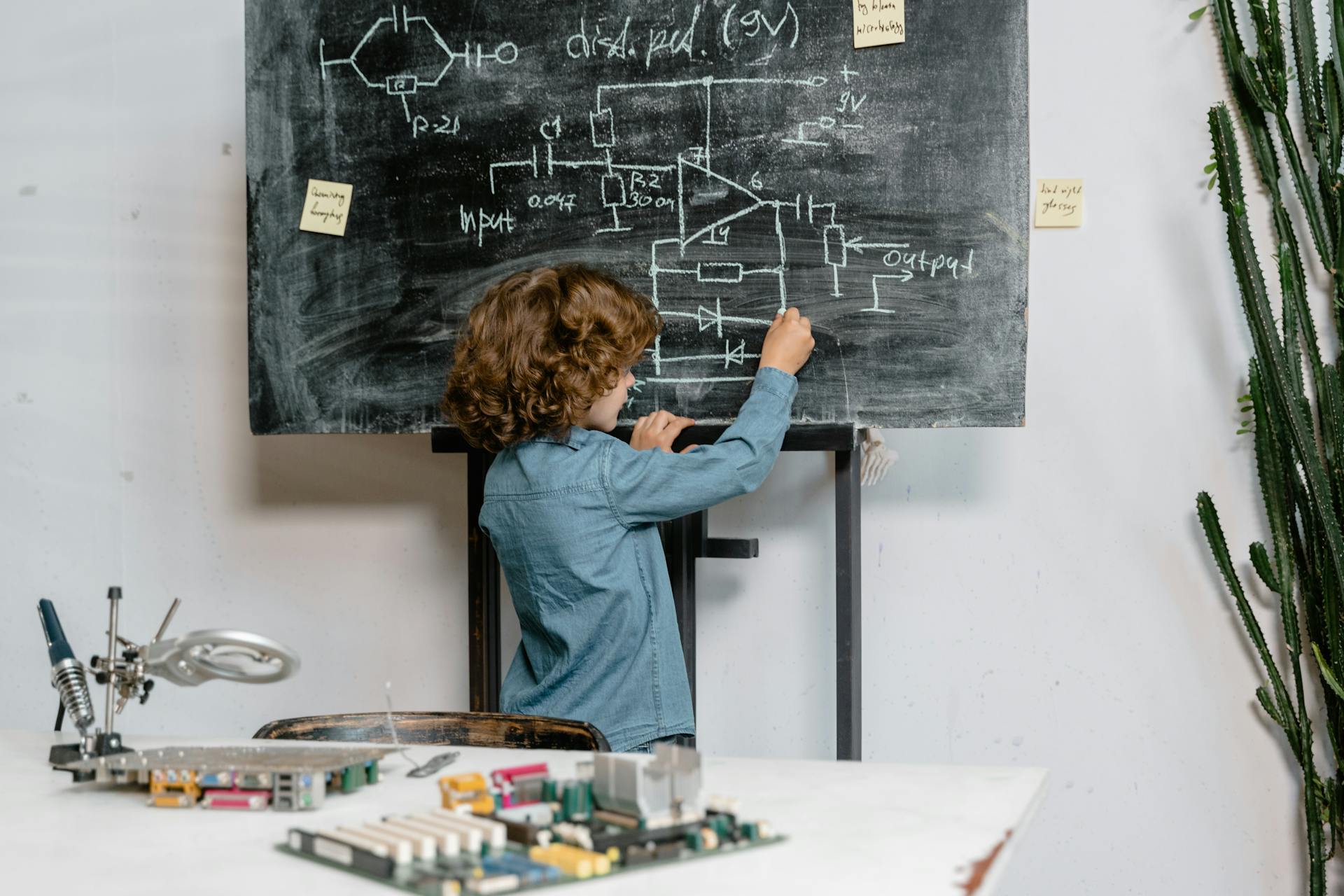
A blank poster board can scare a student faster than a hard test. The pressure to “be creative” often makes kids copy the safest idea they can find, even when they have better questions sitting right in front of them. That is where science project tips matter most: they help students move from panic to curiosity without turning the project into a parent-built display. For families across the USA, science work often happens after school, at the kitchen table, between sports practice, homework, and dinner. A good project needs room for mistakes, but it also needs shape. Students need to know what they are testing, why it matters, and how to explain it in their own words. Parents and teachers can also find helpful education visibility ideas through trusted digital publishing support when they want student-centered work to reach a wider audience. The real goal is not a perfect volcano, a glossy board, or a ribbon. The goal is a student who learns to ask a sharper question and then has the nerve to follow it.
Science Project Tips That Start With Better Questions
Strong projects rarely begin with supplies. They begin with a question that feels close enough for a student to care about. A child who wonders why one sneaker grips better on the gym floor already has the start of an investigation. That question has more life than a recycled project copied from the first search result.
Why science fair ideas should come from daily life
Good science fair ideas often hide inside ordinary routines. A student might compare how different lunch containers keep food cold, how much water a houseplant needs, or whether natural light changes reading comfort. These ideas work because the student already understands the problem before the project begins.
Daily-life questions also protect students from fake creativity. A complicated project about space dust may sound impressive, but a simple test about which backpack strap position feels lighter can teach better thinking. The closer the question is to real experience, the easier it becomes for the student to notice details.
Parents should resist the urge to upgrade every idea. A modest project with a clear question beats a dramatic project no child can explain. Judges, teachers, and classmates can hear the difference within one minute.
How hands-on learning turns curiosity into structure
Hands-on learning gives students something to touch, test, break, fix, and explain. That matters because creativity grows when a student sees how an idea behaves in the real world. Thinking alone can float away; testing brings it back to the table.
A strong question needs a clear path. Students should name one thing they will change, one thing they will measure, and one thing they will keep the same. For example, if they test paper towel strength, they might change the brand, measure how many coins each sheet holds, and keep the sheet size equal.
That structure does not kill creativity. It saves it. Without structure, a project turns into decoration, and the student ends up making a pretty board around a weak idea.
Building Student Creativity Without Taking Over
Adult help can lift a project or bury it. The difference shows up in ownership. When the student makes the decisions, even imperfect ones, the work feels alive. When adults take over, the project may look cleaner, but the thinking gets quieter.
When classroom experiments need room for mistakes
Classroom experiments should leave space for results that do not match the student’s guess. A failed prediction can teach more than a lucky answer. The student who expected sugar water to freeze faster than plain water has a better story when the result proves otherwise.
Mistakes also teach honesty. A student who admits that one trial spilled or one measurement looked odd learns how real investigation works. Science does not reward pretending. It rewards careful noticing.
Teachers can model this by asking, “What changed your mind?” instead of “Did it work?” That small shift changes the room. Students stop chasing approval and start paying attention.
Why student creativity grows under limits
Student creativity does not need endless freedom. It needs useful limits. A student told to “make any project” may freeze, while a student told to test something about sound, water, motion, food, or plants can begin faster.
Limits give the brain a wall to push against. A fifth grader with only cardboard, tape, string, and coins may design a better bridge than a student with a box full of fancy materials. Too many choices can make the project feel like shopping instead of thinking.
This is where parents can help without stealing the work. Offer a short list of safe materials, set a time window, and let the student choose the test. The result may be messier than an adult version, but it will belong to the child.
Turning Research Into a Project Students Can Explain
Research should not sound like pasted encyclopedia language. It should help the student understand the experiment well enough to talk about it plainly. A project becomes stronger when the student can connect background information to what happened during testing.
How to make background reading useful
Background reading works best when students look for words they can use in their own explanation. A student testing mold growth might learn about moisture, warmth, and spores, then connect those ideas to bread stored in different places. The reading feeds the experiment instead of sitting beside it.
Short sources often work better than long ones for younger students. A clear museum page, a school science resource, or a child-friendly science book can give enough context without drowning the project. The student should be able to say, “I learned this, so I tested that.”
Parents can ask one simple question after reading: “What did this make you want to test?” If the student cannot answer, the source was probably too broad, too hard, or not connected to the project.
Why visual proof matters more than decoration
A science board should show thinking, not craft-store energy. Photos of the setup, a simple chart, and a few clear labels can do more than glitter borders. Visual proof helps the reader trust that the student actually ran the test.
Students should take photos during the process, not only at the end. A picture of the first setup, a messy trial, and a final comparison can tell a stronger story than a polished final display. Real work has fingerprints.
Charts also need restraint. One clean bar graph can beat four confusing visuals. The point is not to fill the board; the point is to help someone understand the result without needing the student to stand there and rescue it.
Helping Students Present With Confidence
A project is not finished when the glue dries. Students still need to explain what they did, what changed, and what they would test next. Presentation turns the project from a display into a conversation, and that is where deeper learning shows.
How science fair ideas become stronger through practice
Science fair ideas sound different when students say them out loud. A sentence that seemed clear on paper may feel clumsy when spoken. Practice catches that early, before the student stands beside the board.
Students should prepare a short explanation in their own voice. It can follow a simple path: the question, the test, the result, and the next question. That order keeps the presentation focused without making it sound memorized.
A useful practice session should include one friendly interruption. Ask, “Why did you choose that?” or “What surprised you?” The goal is not to trap the student. It is to help them handle real questions without losing confidence.
Why hands-on learning should end with reflection
Hands-on learning reaches its best point when the student looks back and names what changed in their thinking. Reflection turns activity into understanding. Without it, even a fun project can fade into a weekend chore.
A good reflection does not need fancy language. A student might say, “I thought the thicker paper would hold more weight, but the folded shape mattered more.” That sentence shows growth. It also proves the student saw the difference between a material and a design choice.
Teachers and parents should ask what the student would test next. That question keeps curiosity open. A finished project should feel less like a closed door and more like a trail marker.
Conclusion
Better student projects do not come from bigger budgets, stranger topics, or parents staying up past midnight with a glue gun. They come from sharper questions, honest testing, and enough patience to let the student wrestle with the work. The best science project tips protect the part adults are most tempted to overwrite: the child’s own thinking. A clean board may impress people for a minute, but a student who can explain a surprising result leaves a stronger mark. Across American homes and classrooms, the smartest move is also the simplest one: choose a real question, test it carefully, and let the student own the answer. Start the next project by asking your child what they have noticed lately, because curiosity that begins in real life has the best chance of becoming work they are proud to present.
Frequently Asked Questions
What are the best science project ideas for creative students?
The best ideas come from problems students already notice, such as food storage, plant growth, sports gear, weather, sound, or household materials. A creative student does not need a wild topic. They need a clear question they can test and explain with confidence.
How can parents help with science projects without doing the work?
Parents should help with safety, supplies, timing, and questions, not decisions. Let the student choose the topic, make predictions, record results, and explain the outcome. Adult support should make the work possible, not make the project look adult-made.
What makes a student science project stand out at school?
A project stands out when the question is clear, the test is fair, and the student can explain what happened. Judges and teachers notice ownership. A simple project with honest results often feels stronger than a polished project with weak thinking.
How do classroom experiments improve student creativity?
Classroom experiments improve creativity by giving students a safe place to test ideas, compare outcomes, and change their thinking. When students see that mistakes can lead to better questions, they become more willing to try original approaches.
What supplies are useful for hands-on learning at home?
Useful supplies include measuring cups, rulers, tape, cardboard, paper towels, rubber bands, string, timers, jars, food coloring, and notebooks. Common materials often work better than expensive kits because they push students to think with what they already have.
How should students choose a science fair topic?
Students should choose a topic they can test safely, measure clearly, and explain in their own words. A good topic usually begins with something they have noticed at home, school, outdoors, or during a hobby.
Why is student creativity important in science projects?
Student creativity helps children move beyond copying directions. It teaches them to ask better questions, design fair tests, and explain results with original thought. That skill matters far beyond one assignment or one school event.
How can students present science project results clearly?
Students should explain the question, prediction, test, result, and next step in a short, natural order. Photos, charts, and simple labels help the audience follow the work. Practice aloud before presentation day so the explanation feels calm and clear.