
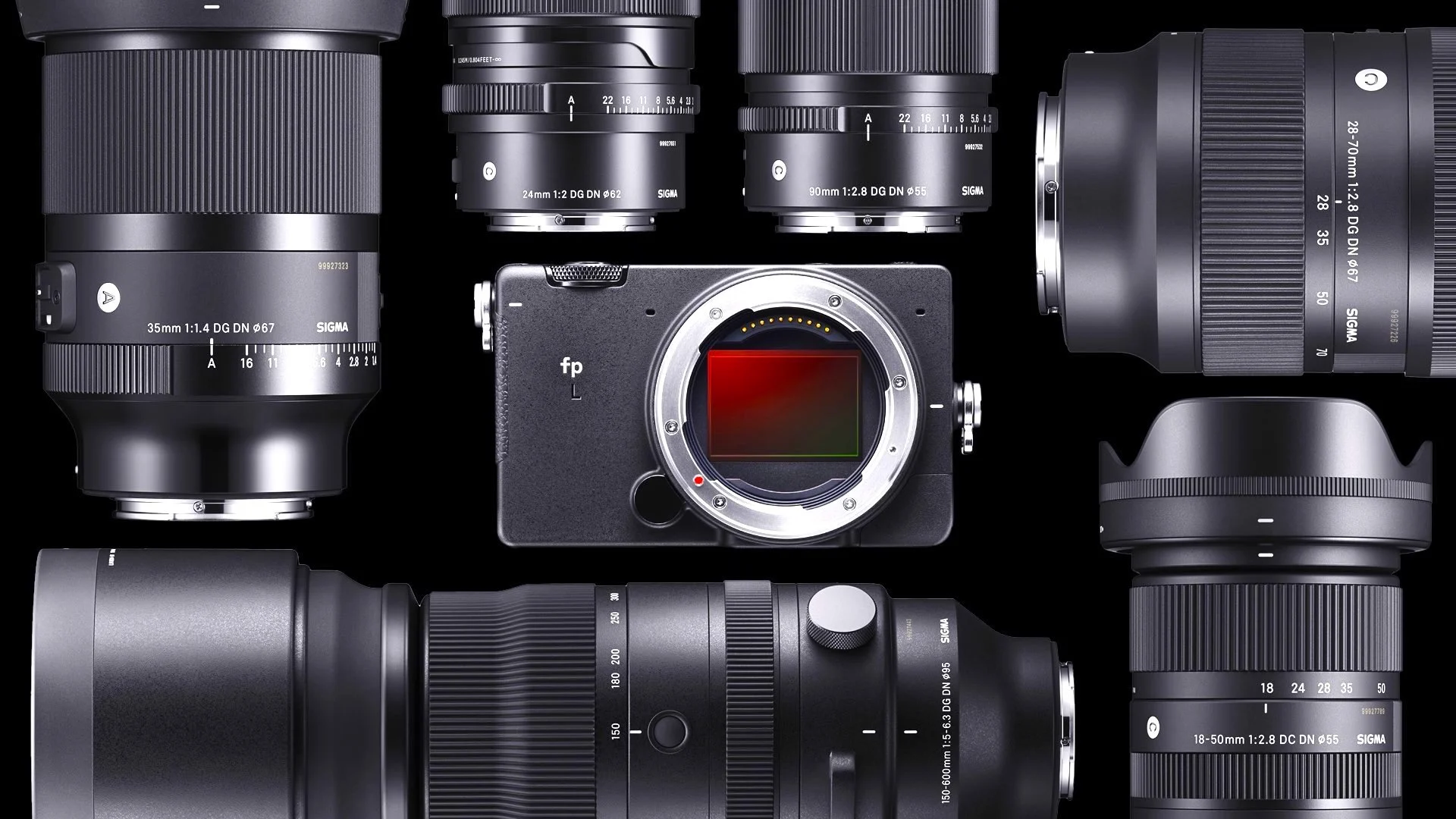
Some cameras fade because better models arrive. Others come back into the conversation because creators finally catch up to what made them odd in the first place. The Sigma fp L Mirrorless Camera sits in that second group, and its renewed retail attention says plenty about how U.S. video creators shop now. They are not all chasing the biggest grip, the fastest sports autofocus, or the loudest launch campaign. Many want a small full-frame body that can slide into a cage, sit on a desk, ride in a travel bag, and still produce footage with a serious look. That is why a fresh restock feels bigger than a normal inventory note. It gives YouTubers, indie filmmakers, product shooters, and studio owners one more chance to buy a camera built around choice. For readers tracking creator gear coverage, this is the kind of product story that rewards patience. The fp L is not easy for every buyer. But for the right person, that is the point.
Why the Sigma fp L Mirrorless Camera Still Pulls Video Creators Back
A camera gets interesting when its limits are easy to name, yet people still want it. That is the fp L’s strange power. It does not pretend to be a comfort-first hybrid body made for soccer sidelines, wedding chaos, and casual family trips. It asks you to build around it. That scares some buyers away, but it attracts creators who already think in rigs, audio paths, lenses, SSDs, and color.
Creator demand is coming from rigs, not spec charts
The renewed interest around this body makes more sense when you stop viewing it as a normal mirrorless purchase. A typical buyer compares grip depth, burst speed, subject tracking, and viewfinder comfort. A solo video creator in Los Angeles or Austin may look at the same body and see a different object: a tiny full-frame creator camera that can become a studio box, a cinema brain, or a travel unit.
That shift matters. A camera that feels awkward on a neck strap can feel perfect inside a cage with a top handle, monitor, small prime lens, and wireless mic receiver. The same shape that annoys a street shooter can help a filmmaker mount the body in tight places. A coffee shop interview, a product table, a car interior, a kitchen counter shot for a cooking channel: those setups reward a camera that stays out of the way.
The counterintuitive part is simple. Comfort in the hand is not always comfort in production. Some creators would rather carry an imperfect rectangle that rigs cleanly than a rounded hybrid body that fights every accessory. That is why a restock can stir demand even after newer cameras grab headlines. The fp L speaks to builders, not casual browsers.
The restock signal matters because the body refuses to act old
Restocking talk carries a different weight when the maker’s global page marks the model as discontinued. Buyers read that and get nervous. They wonder whether accessories will dry up, whether used prices will rise, and whether the chance to buy new will close. That tension can turn a quiet retail listing into a decision moment.
A normal restock says, “more units are here.” This one says, “decide whether this tool still fits your work before the market thins.” That is a stronger message for U.S. creators who rent lights on Friday, shoot client reels on Saturday, and edit Sunday night. They do not need every camera to be new. They need gear that fits a repeatable process.
The fp L also avoids the worst kind of aging because its appeal was never built on trend features alone. A 61MP full-frame sensor, L-Mount lens access, USB power support, and a small modular body still line up with real creator needs. The camera looks strange next to today’s feature-heavy hybrids, but strange can age well when the design has a clear reason to exist.
What Video Buyers Should Understand Before They Chase the Restock
Demand can make a product feel safer than it is. That is where buyers need discipline. The fp L rewards people who know their workflow and punishes people who expect a no-effort hybrid camera. Before chasing any remaining retail stock, you need to be honest about the way you shoot. The right fit depends less on hype and more on your tolerance for building a system.
Small body, big rig decisions
The fp L is small, but it is not a magic shortcut to a smaller working kit. That catches new buyers off guard. Add a cage, monitor, SSD, handle, variable ND, audio receiver, and a larger L-Mount lens, and the compact body becomes the center of a larger setup. You may still save space compared with a cinema camera, but the saving comes from shape and flexibility, not from buying one tiny box and calling the kit done.
This is where it helps to think like a working creator. A Dallas real estate shooter may keep the camera on a gimbal with a compact wide lens. A Brooklyn product videographer may lock it to a tripod with USB power and a monitor. A Nashville musician filming sessions may care more about the small footprint near instruments than about walking around with it all day. Each setup changes the value.
The non-obvious lesson is that a tiny camera can demand more planning than a larger one. Bigger bodies often include more built-in handling. Smaller modular bodies shift those choices to you. That is not a flaw if you enjoy building a kit. It is a problem if you want the camera to make every decision for you.
The 61MP sensor changes both the win and the warning
The high-resolution sensor gives the fp L one of its most useful strengths. For stills, it offers room to crop. For video creators who also shoot thumbnails, product images, paid social assets, or print-ready brand photos, that matters. A single camera can cover more than a narrow video role, especially for small agencies and solo operators.
A cinematic video camera does not need a massive stills sensor to look good, though. That is where the warning begins. High resolution can expose sloppy lens choices, shaky technique, weak focus habits, and bad storage planning. If your whole workflow is built around quick handheld capture, the fp L may slow you down rather than free you.
This is where many online debates miss the point. The sensor is not “too much” or “perfect.” It is specific. It suits creators who want detail, crop freedom, and a body that can serve both photo and video work. It suits patient shooters better than frantic ones. That makes it less universal, but more valuable for the right studio.
Where It Fits in a U.S. Creator Kit
A camera’s value changes once you place it inside daily work. The fp L makes the most sense when you map it to actual rooms, shoots, and client needs. It is easier to judge that way than by staring at a spec table. In many U.S. creator setups, the appeal comes from how little space it claims while still giving footage a full-frame look.
A desk studio can make it earn its keep
The home studio is where this camera can feel smarter than expected. Think of a creator in Phoenix filming course lessons, sponsor reads, and product demos from a converted spare bedroom. The camera sits on a small tripod behind a monitor. USB power keeps long sessions less stressful. A compact prime creates a polished look without pushing the desk back across the room.
That kind of setup rewards a camera that can stay built. You do not have to tear it down after every shoot. Leave the body caged, keep the cable path clean, mark your tripod spot with tape, and save your exposure notes. The value comes from repeatability. A full-frame creator camera becomes part of the room, almost like a light or microphone.
The surprise is that desk work can be more demanding than travel work. When the camera never moves, small flaws become obvious. Skin tone, focus behavior, heat, cable strain, and audio sync all matter. The fp L can fit that world, but it asks you to test the whole chain before a paid deadline.
Travel shooters need a lighter plan, not more gear
The fp L also tempts travel creators because the body looks pocket-size. That temptation needs a firm plan. A camera body alone does not make a light kit. Pick a compact L-Mount lens, a small mic, one support option, and enough power for the day. Add every accessory you own, and the travel advantage disappears before you reach the airport.
A creator flying from Chicago to Denver for a weekend brand shoot might pack the fp L with a 45mm prime, a slim tabletop tripod, a small LED, and one audio setup. That kit can handle hotel room talking heads, restaurant details, street clips, and client stills. It will not cover every possible scene. That restraint is the point.
Here is the odd truth: travel gear works best when it says no. The fp L can help you say no to oversized bags, but only if you resist turning it into a rolling production cart. The camera rewards a narrow shot list, careful lens choice, and a calm pace. That is not a weakness. It is a working style.
How to Decide Before Retail Stock Moves Again
Restock pressure can push buyers into sloppy choices. The smarter move is to treat availability as a deadline for research, not a command to buy. The fp L belongs on a shortlist only after you match it with your lenses, shooting style, and editing habits. If that sounds less exciting than a flash sale, good. Expensive gear should survive boring questions.
Buy the body only if your lenses and workflow agree
Start with the mount. An L-Mount camera makes the most sense if you already own compatible glass or want to build around Sigma, Panasonic, or Leica options. If your shelf is full of Sony E-mount lenses, Canon RF glass, or Nikon Z lenses, switching for one body can get expensive fast. Adapters may solve some problems, but they can also add friction.
Next, look at your workflow. Do you shoot controlled interviews, short films, product reels, music sessions, tabletop work, or travel edits? The fp L can make sense there. Do you shoot youth sports, fast events, unpredictable weddings, and run-and-gun news-style clips? A different hybrid body may protect your sanity.
The best test is boring and useful. Write down your last five paid or serious shoots. List the shots you missed, the setups that slowed you down, and the gear you avoided carrying. If the fp L solves two or three of those problems, keep researching. If it creates new ones, the restock is not your opportunity.
The smartest deal may not be the cheapest box
A lower used price can look tempting, but the cheapest route is not always the safest one. Check whether the box includes the parts you need. A body-only deal may still require a cage, viewfinder, extra batteries, storage, power gear, or a lens that suits your work. A kit with the EVF may cost more but fit a stills-heavy shooter better.
U.S. buyers should also pay attention to return windows and dealer support. A camera this specific deserves testing in your own room, with your own lights, files, lenses, and editing software. Ten minutes at a counter will not tell you enough. A weekend test will.
There is also a resale angle. Niche cameras can hold value among the right buyers, but that market is smaller. If you buy the fp L, buy it because it makes your work better, not because internet chatter says it has become rare. Rarity feels exciting. Usability pays you back.
Conclusion
The renewed attention around this camera says more about creators than it does about inventory. A growing slice of U.S. video work happens in bedrooms, rented studios, cars, kitchens, hotel rooms, and small offices. Those spaces do not always need a large hybrid body with every modern comfort. They need a camera that can adapt to a planned setup and stay out of the shot.
The Sigma fp L Mirrorless Camera earns its second look because it feels built for that kind of creator. It is not the safest choice for every buyer, and that honesty matters. The better question is whether you want a camera that behaves like a finished product or a camera that becomes the center of your own build.
If your work depends on compact rigs, controlled scenes, sharp stills, and a patient shooting style, this restock deserves attention. Check the dealer terms, price the full kit, and compare it against your actual jobs. Then decide before demand makes the decision for you.
Frequently Asked Questions
Is the fp L worth buying for beginner video creators?
It can be worth buying if the beginner already understands lighting, audio, lenses, and manual control. A simpler hybrid camera may be better for casual learning. The fp L suits new creators who want to build a planned video kit instead of relying on automatic features.
Why are creators interested in the fp L again?
Renewed interest comes from its rare mix of small size, full-frame image quality, high-resolution stills, and modular rigging options. Many creators now shoot from compact home studios, travel kits, and desk setups where a large camera body can get in the way.
Is the fp L better for video or photography?
It can serve both, but it makes the most sense for creators who need video plus high-detail stills. Photographers who want a built-in viewfinder and classic handling may prefer another body. Video shooters who enjoy rigging may find its shape more useful.
What lenses work best with this camera for creators?
Compact L-Mount primes are often the cleanest match because they keep the setup light and balanced. A small wide lens works well for desk videos and travel clips. A normal prime helps with interviews, product shots, portraits, and thumbnails.
Can this camera work for YouTube studio recording?
Yes, it can work well in a fixed YouTube setup with steady power, controlled lighting, a good microphone, and a tested focus plan. It makes less sense for creators who move around often and need a camera that handles every setting with minimal setup.
Should buyers choose the body-only version or the EVF kit?
Body-only makes sense for video creators using monitors or fixed rigs. The EVF kit fits buyers who also shoot stills outdoors or prefer eye-level framing. Price both options against the accessories you would buy later, not against the body price alone.
Is this a good travel camera for U.S. creators?
It can be a strong travel choice if the kit stays disciplined. Pair it with one or two compact lenses, light support, and a clear shot list. It becomes less appealing when loaded with too many accessories, because the body’s size advantage fades.
What should I check before buying during a restock?
Check dealer return terms, warranty status, included accessories, lens costs, storage needs, and your editing workflow. Then compare the camera against the last few projects you shot. A restock is useful only if the camera solves problems you already have.