
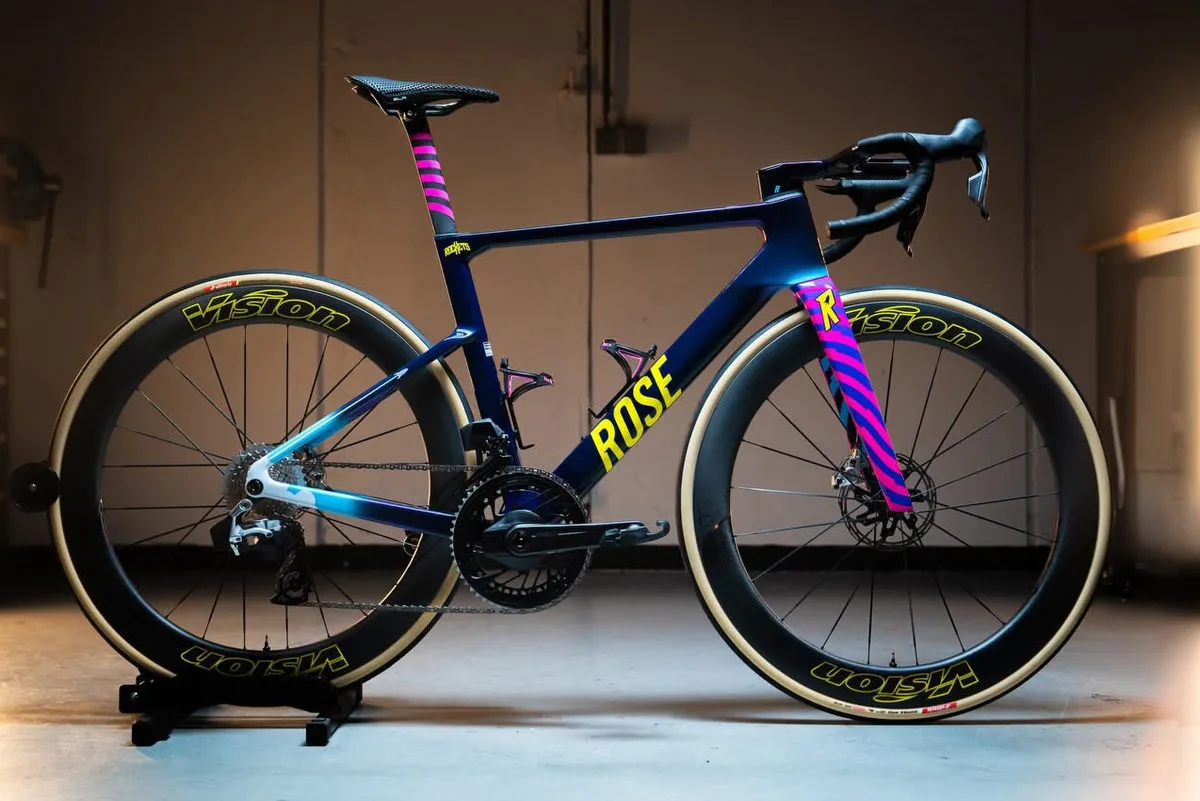
A single rider’s build can do more than a brand campaign when the parts, fit, and backstory feel honest. That is the heat around this carbon road bike right now: shoppers are not staring at a polished studio render; they are studying how the Rose Reveal bike looks when someone builds it for actual miles, bad shoulders, fast club pulls, and the kind of weekend ride that starts before the coffee shop opens. Rose positions the Reveal as a long-distance machine built around endurance geometry, comfort, and equipment choices meant for long days rather than short showroom glances. For U.S. riders watching European direct-to-consumer brands, that mix matters. You want value, but you also want proof. A community bike build gives you that proof in messy, useful detail. This is where cycling gear stories with real buyer context earn attention, because the purchase is not small and the wrong size can haunt every ride. The Reveal’s appeal sits in a plain question: can a bike look special online and still make sense once the checkout page, fit chart, shipping math, and home roads enter the picture?
Why a Community Build Can Move a Serious Bike
A polished launch tells you what the brand wants noticed. A rider build tells you what owners refuse to compromise on. That is why one convincing community bike build can push shoppers harder than a discount code. People do not only see the frame. They see bar choice, saddle height, tire clearance, spacer stack, bottle setup, pedal choice, and whether the whole thing looks ready for a century or a fast Tuesday night loop.
The photo that answers fit questions before specs do
Road cyclists are expert overthinkers, and for good reason. A few millimeters at the bar or saddle can decide whether a two-hour ride feels smooth or punishing. A build post gives buyers visual evidence that a size chart cannot show alone. You can judge how much seatpost is showing, how aggressive the front end looks, and whether the frame carries its lines well in a normal size.
That last part sounds vain until you have owned a bike you never loved looking at. Pride matters. It gets you out the door on gray mornings. A Rose Reveal bike build with clean proportions can make a fence-sitter think, “That could be mine,” which is more powerful than any spec table. If the owner shows the bike beside a garage door, a work stand, or a scratched group-ride parking lot, the image feels closer to your life than a studio shot ever will.
The non-obvious part is that community photos often calm buyers down. Specs create anxiety because each line invites comparison. A build turns the whole bike into one decision. For a U.S. rider comparing Canyon, Giant, Trek, Specialized, and Rose, that can shorten the mental loop. Less scrolling can be a gift. It also keeps the buyer focused on the larger pattern: the frame shape, the posture it invites, and the way the setup solves ordinary ride problems instead of chasing drama.
Why peer taste now competes with dealer advice
Local bike shops still matter, especially for fit and service. Yet direct brands have changed how riders form trust. Many buyers now trust a careful owner post because it shows the private choices a shop floor cannot always display. The rider picked that handlebar tape. The rider chose those tires. The rider knows whether the bike feels stiff after mile 60.
That does not make a forum post perfect evidence. It makes it human evidence. A shop may guide you toward what is available this week. A community rider explains what they would buy again after paying with their own card. That difference matters when a buyer has saved for months and does not want to be treated like another transaction on a busy Saturday.
For a European brand trying to catch U.S. eyes, that kind of proof matters. Rose can describe the Reveal as an endurance road bike, but a community build shows how riders interpret that promise. Some make it clean and fast. Some add comfort touches. Some chase a pro look without accepting a pro-level backache. The strongest posts are not the prettiest ones. They are the ones that make the owner’s choices clear. A wrinkled bar-tape edge or a swapped saddle can be more useful than a perfect glamour shot, because it tells you where the owner had to make the bike fit a real body.
What Makes the Carbon Road Bike Demand Feel Earned
The strongest demand stories in cycling are not always about the lightest frame. They are about the least annoying compromise. The Reveal lands in that zone because it speaks to riders who still want speed, yet no longer pretend they enjoy harsh bikes. Rose lists the Reveal family under endurance road bikes and describes it as suited to training, touring, and long-distance rides, with models starting from €2,000 on its endurance category page.
Comfort is not the opposite of speed
American road culture can be stubborn about comfort. Riders will admit they want faster wheels long before they admit they want less neck pain. That is changing. The modern endurance road bike is not a soft retirement machine. It is often the smarter choice for the rider who has rough pavement, rolling climbs, and mixed group-ride speeds.
The Reveal’s pitch fits that shift. Instead of chasing a pure race posture, it gives you a platform that can still feel sharp without turning every chip-sealed shoulder into a test of patience. That matters in places like Pennsylvania, Michigan, Colorado’s Front Range, or older suburbs outside Boston, where the road surface decides as much as the rider. A bike that feels calm over ugly pavement can keep you from sitting up every few minutes.
Here is the quiet truth: many riders are faster when they are less beaten up. A bike that lets you stay in position, eat, drink, corner, and keep pressure on the pedals can beat a harsher machine in daily life. Not in a wind tunnel. On the road you own. The rider who can stay low without fighting the bike often has more speed left at the end of a rolling route than the rider who bought the sharpest frame and spends half the ride stretching at stop signs.
The value story gets sharper when builds look premium
Direct-to-consumer bikes live or die by perceived trust. Low price alone can make shoppers suspicious. A strong build post flips that feeling. When the frame, cockpit, and finish look premium beside familiar American shop brands, the buyer starts asking a different question: “What am I paying extra for elsewhere?”
That question does not always have a simple answer. A Trek Domane or Specialized Roubaix can bring dealer support, easier test rides, and a known service path. A Rose purchase asks for more self-direction. You need to know your size, your fit needs, and your tolerance for international buying friction. A confident buyer may see that as freedom. A newer rider may see it as stress. Neither reaction is wrong. The trick is knowing which rider you are before a low-stock message pushes you into a choice that needs more thought.
Still, the Reveal’s appeal is easy to understand. You see a clean frame, a modern setup, and enough owner enthusiasm to make the risk feel smaller. That is why road bike buying guide content should always include buyer behavior, not only frame material and groupsets. The best purchase is rarely the one with the loudest spec. It is the one that matches your life after the first ride glow fades.
The U.S. Buyer Has to Think Beyond the Build Post
The online excitement is real, but U.S. buyers need a cooler head before they chase a size. Rose’s shipping page currently lists the USA among delivery countries, and its terms say non-EU deliveries may have VAT removed while customs and import costs can apply in the buyer’s country. That detail can turn a “great deal” into a different number by the time the bike reaches your door.
Sizing is the first cost nobody budgets for
Most failed online bike purchases do not fail because the frame is bad. They fail because the rider guessed. A good deal in the wrong size becomes an expensive lesson, especially when return shipping, assembly, and import steps enter the picture. This is where a U.S. buyer should slow down.
Measure your current bike if it fits well. Stack, reach, saddle height, saddle setback, bar width, stem length, and spacer height tell a clearer story than body height alone. Then compare the numbers calmly. A Rose Reveal bike may look perfect in someone else’s build post, but that rider’s torso, flexibility, and goals may have little in common with yours. Two riders can share height and still need different frames. One may have long legs and short arms. The other may have a long torso and limited hip mobility. A size label hides those differences, while stack and reach expose them.
A counterintuitive move helps here: ask what pain you are trying to avoid, not what speed you are trying to gain. Numb hands, hot feet, sore neck, and lower-back fatigue often point to fit problems before equipment problems. A home bike fit checklist can save more money than a lighter wheel upgrade. If you need a shorter stem, different saddle, wider bar, or taller spacer stack on day one, budget for that before you order.
Shipping math should be part of the bike comparison
U.S. riders often compare European direct prices against American shop tags too quickly. The cleaner method is simple. Compare the landed cost, the support path, and the timeline. That means bike price, shipping, taxes, possible duties, local assembly, fit help, and any part swaps needed on day one.
That does not kill the Rose case. It makes the case honest. If the Reveal still looks strong after those numbers, the choice becomes easier to defend. If the final price creeps close to a locally supported bike, then the community bike build should inspire you, not rush you. A build post is a spark, not a purchase order. Give yourself one full pass through the final cart, local mechanic cost, and delivery window before calling it a bargain. That pause can save you from buying the right bike in the wrong way.
There is also the service question. Most drivetrains, brakes, tires, chains, and wheels can be handled by a competent U.S. mechanic. Frame-specific parts are different. Before ordering, check hanger availability, seatpost details, cockpit standards, and small hardware. A bike can be gorgeous and still cause headaches if a tiny proprietary part goes missing. Small parts do not look exciting in photos, but they decide how easy the bike is to live with after the first season.
How to Read the Hype Without Buying Blind
Hype is not the enemy. Blind urgency is. A selling-out story can be useful when it tells you that buyers care, sizes may move, and a model has crossed from niche interest into wider attention. It becomes dangerous when it makes you ignore fit, safety, and riding purpose.
Match the bike to your actual roads
A rider in Arizona, Florida, Vermont, and Northern California may all want the same bike for different reasons. Smooth desert roads reward steady speed. Florida group rides can reward aero discipline and predictable handling. Vermont asks for gearing, comfort, and braking on rough descents. Bay Area riders may care about climbing feel one hour and cracked pavement the next.
That is why the endurance category makes sense for many U.S. riders. It covers more lives. You can join a club ride, ride solo for three hours, commute on fair-weather days, or train for a charity century without feeling locked into a race-only tool. The right setup may mean 30 or 32 mm tires, a cassette that respects your climbs, and a position you can hold when fatigue shows up. For a rider in Los Angeles, that may mean gearing for canyon roads. For someone in Minneapolis, it may mean tire comfort over cracked spring pavement.
The surprise is that versatility can feel more premium than aggression. A bike that behaves well across five ride types often gets used more than the flashier one saved for perfect days. Ownership value comes from mileage, not garage admiration. A bike with a few scratches from honest use has already beaten the spotless one that scares its owner.
Treat safety as part of performance
A fast bike does not exist apart from the rider. If a new build gets you excited, build the safety layer before the first long ride. The National Highway Traffic Safety Administration gives U.S. riders practical bicycle safety guidance on helmet fit, predictable riding, visibility, and road rules. That advice may sound basic, but it matters more when a bike encourages higher speeds.
The same thinking applies to equipment choices. Good tires, fresh brake pads, bright lights, a reliable mini-pump, and a saddle you trust can shape the ride more than a small frame-weight difference. New bike excitement often sends money toward visible upgrades. The smarter first spend is often contact points and safety gear.
Before you chase someone else’s dream build, write down your ride pattern. How far do you ride in a normal week? Do you climb? Do you ride after sunset? Do you race, or do you want to feel fresh after four hours? Those answers separate a good-looking purchase from a good-owned bike. The right bike should make your routine easier, not demand a new personality. If your normal ride is ninety minutes before work, buy for that ride first. The dream century matters, but the weekly loop decides whether the purchase becomes part of your life.
Conclusion
The Rose Reveal story works because it does not feel like ordinary product noise. It sits at the meeting point of owner taste, endurance geometry, direct-brand value, and the modern rider’s hunger for proof from people who ride. That is why a single community bike build can carry so much weight. It makes the dream look usable.
Still, the best buyer is not the fastest clicker. The best buyer checks fit, landed cost, service access, and the kind of roads waiting outside the garage. The carbon road bike that wins your attention should also win your Monday evening loop, your longest Saturday ride, and the awkward weeks when motivation is low.
If the Reveal fits your numbers and your budget after the real math, the hype may be pointing at something worth chasing. If it does not, use the build as a blueprint for what you want next. Buy the bike that makes you ride more, not the one that only looks good while everyone else is watching.
Frequently Asked Questions
Is the Rose Reveal a good bike for U.S. riders?
Yes, for riders who want an endurance-focused road setup and feel comfortable buying from a direct European brand. The key is checking landed cost, sizing, support, and parts access before ordering. It suits buyers who do homework before spending.
Why are community build posts so influential for bike shoppers?
They show how the bike looks and functions outside brand photography. Riders can judge fit, cockpit height, tire choice, and real owner taste. That makes the purchase feel less abstract, especially when the model is not easy to test locally.
Is an endurance road bike slower than a race bike?
No, not for many everyday riders. A calmer position can help you stay comfortable, hold power longer, and handle rough pavement better. Race geometry may feel sharper, but comfort often wins over longer American road rides.
What should I check before buying a Rose Reveal online?
Check stack, reach, frame size, delivery cost, import costs, return terms, brake setup, wheel standards, hanger availability, and cockpit parts. Also compare your current bike measurements if you already own one that fits well.
Can I use the Rose Reveal for group rides?
Yes, it can make sense for club rides, training loops, and longer weekend efforts. The fit should match your flexibility and speed goals. Tires, wheels, and position will shape the ride feel as much as the frame.
What makes the Rose Reveal bike different from many shop brands?
The main difference is the direct-buy value story and European brand positioning. You may get strong equipment for the money, but you give up some local dealer convenience. That trade can be worth it for confident buyers.
Should I upgrade wheels or tires first?
Tires usually come first. They change comfort, grip, rolling feel, and confidence at a lower cost than wheels. Good wheels matter, but tires are the contact point between the bike and the road you ride every day.
How do I know if the online hype is worth trusting?
Trust patterns, not one loud post. Look for owner photos, ride reports, fit notes, service comments, and long-term updates. Hype becomes useful when many riders describe the same strengths and weaknesses without sounding like a sales page.