
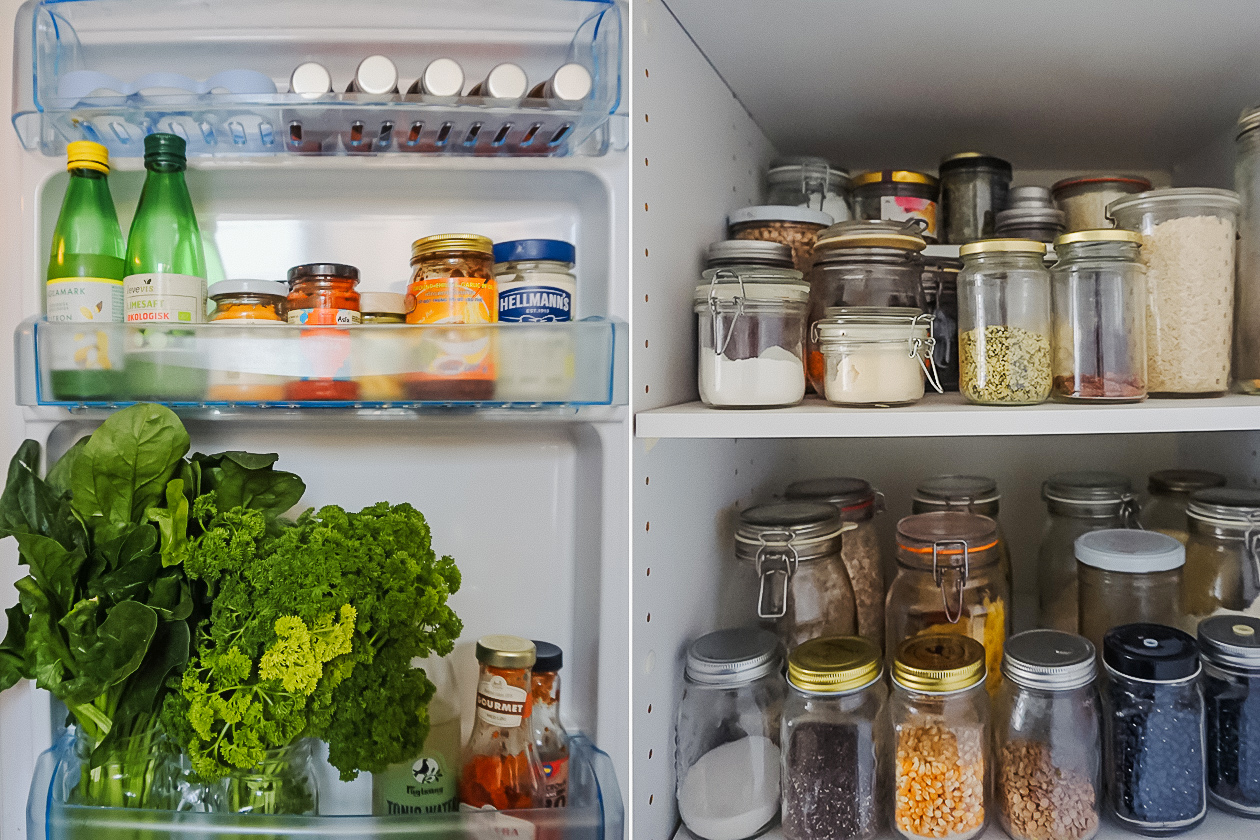
A wasteful kitchen rarely looks wasteful at first glance. It looks like half-used bags, crowded shelves, mystery leftovers, and a drawer full of lids that match nothing. For many American households, Sustainable Kitchen Storage Ideas are not about buying a perfect set of glass jars or making the pantry photo-ready. They are about building a kitchen that helps you waste less food, less money, and less space without turning daily cooking into a moral test. Good storage should make the better choice easier when you are tired, busy, or rushing dinner after work. That means containers you can see through, labels you can read, shelves that reveal what you already own, and habits that fit a real week. Even small shifts matter: one clear leftover shelf can save dinner, one produce bin can protect groceries, and one smarter shopping loop can prevent repeat buying. For households looking for practical home improvement ideas and everyday lifestyle guidance, useful household planning resources can help frame better choices without overcomplicating them. Lower waste begins when your kitchen stops hiding what you paid for.
Sustainable Kitchen Storage Ideas That Start With What You Already Own
A lower-waste kitchen does not begin with a shopping cart full of matching containers. It begins with an honest look at how food moves through your home after it leaves the grocery bag. Most American kitchens lose money in the gap between intention and visibility: spinach buried under apples, rice tucked behind cereal, leftovers trapped in stained plastic, and snacks scattered across three cabinets. Storage fixes that gap when it makes food easier to notice, reach, and finish.
Why Clear Zones Beat Pretty Pantry Makeovers
A polished pantry can still waste food if it hides the way your household eats. The goal is not to make shelves look like a store display. The goal is to give every category a place that matches how often you use it and how quickly it spoils.
Start with zones that serve behavior, not aesthetics. Keep breakfast foods together, baking supplies together, school-lunch items together, and quick-dinner ingredients together. A parent packing lunches in Ohio on a Tuesday morning should not have to open four cabinets to find crackers, nut butter, reusable bags, and applesauce cups. That friction creates duplicate buying and half-used packages.
Clear bins help only when they solve a real problem. A bin for opened pasta makes sense if half bags spill across the shelf. A bin for canned beans may not help if stacking cans already works. Storage becomes wasteful when you buy containers for categories that never needed containers.
A good zone also has a limit. When the snack bin is full, you stop buying snacks until it has space again. That simple boundary works better than a long lecture about overconsumption because the shelf itself gives the answer. Less thinking, fewer duplicates, lower waste.
How to Build a First-In, First-Out Shelf at Home
Restaurants use rotation because forgotten food costs money. Home kitchens need the same logic, but without the clipboard. Put newer items behind older ones, and make the oldest item the easiest one to grab.
This works especially well for canned goods, pasta, cereal, sauces, frozen foods, and dairy. When you bring home a new jar of salsa, place it behind the open one. When you buy yogurt, slide older cups forward. The method sounds small until you realize how often waste comes from reaching for the fresh item while the older one expires quietly in the back.
A simple “eat first” spot changes the whole kitchen rhythm. Use one fridge shelf, one freezer basket, or one pantry corner for food that needs attention soon. Leftover rice, softening fruit, open broth, and half a bag of tortillas all belong there. The shelf becomes a dinner prompt instead of a guilt museum.
Families can make this easier by pairing the shelf with one weekly habit. Before a grocery run, check that area first and build two meals around it. If you find eggs, spinach, and cooked potatoes, breakfast-for-dinner is already half done. Waste drops when storage turns forgotten food into a visible plan.
Choosing Reusable Storage That Earns Its Place
Once you understand what your kitchen needs, reusable storage becomes useful instead of decorative clutter. The best products are not always the most expensive or the most eco-branded. They are the ones you keep reaching for because they match your cooking style, your dishwasher, your cabinet space, and your patience on a weeknight.
Best Reusable Food Containers for Real Kitchens
The best reusable food containers are easy to clean, easy to stack, and clear enough to prevent leftovers from disappearing. Glass containers work well for reheating, storing soups, and keeping strong smells from lingering. Stainless steel containers suit lunches, picnics, and snacks, though they do not let you see inside. Durable plastic can still have a place when weight, kids, or outdoor use matter.
The mistake many households make is buying too many sizes. A cabinet full of twelve shapes creates lid chaos, and lid chaos sends people back to disposable bags. Choose two or three sizes that nest well and repeat them. Matching lids save more waste than a fancy material that frustrates you daily.
Round containers suit liquids and leftovers that need stirring. Rectangular containers save fridge space and stack more neatly. Wide, shallow containers help food cool faster and make leftovers more visible. That matters because a deep tub of soup behind the milk often turns invisible by Thursday.
A practical set should answer one question: will you use it when the kitchen is messy and you are tired? If the answer is no, it will not lower waste. It will become another object asking for space.
Eco Friendly Kitchen Organization Without Buying Everything New
Eco friendly kitchen organization often works best when you repurpose what is already in the house. Washed pasta jars can hold lentils, rubber bands, tea bags, or homemade dressing. Shoeboxes can divide pantry shelves. A small baking tray can gather oils and vinegars so sticky bottles do not spread across a cabinet.
Repurposing does more than save money. It slows the reflex to buy your way into a better habit. Plenty of American households already own enough containers to organize their kitchen. They need fewer mismatched pieces, not more products with leaf icons on the label.
Labels help, but only when they serve speed. Use painter’s tape, freezer tape, chalk labels, or a basic marker. Label cooked food with the date, not a vague name. “Turkey chili, May 4” gives you a clear choice. “Leftovers” does not.
Good organization also respects visual noise. Open shelves full of reused jars can feel charming for one person and stressful for another. A lower-waste kitchen should feel calm enough to use. Hide what looks messy, display what helps, and ignore the internet’s obsession with making every pantry look like a boutique refill shop.
Storing Fresh Food So It Actually Gets Eaten
Fresh food waste feels especially frustrating because produce often represents good intentions. You bought berries for snacks, greens for salads, herbs for cooking, and carrots for the week. Then the fridge turned into a cold hiding place. Better storage gives fresh food a fighting chance by managing moisture, airflow, and visibility before spoilage starts.
Low Waste Food Storage for Produce
Low waste food storage starts with knowing that different foods want different conditions. Leafy greens need moisture control, berries need airflow and gentle handling, potatoes need darkness, and herbs often need water like cut flowers. Treating every item the same leads to limp, moldy, or sprouted food before you have time to use it.
For greens, remove damaged leaves, add a paper towel or clean cloth, and store them in a container or bag that keeps moisture balanced. For berries, avoid washing until you plan to eat them unless you have time to dry them well. Extra moisture invites mold, and mold spreads faster than most people expect.
Herbs deserve more respect than the plastic bag they came in. Parsley and cilantro often last longer with stems in a small jar of water, loosely covered in the fridge. Basil prefers room temperature in many kitchens. A five-minute herb setup can save several dollars and rescue weeknight meals from tasting flat.
Produce drawers need a weekly reset. Not a deep clean. A reset. Pull out what is close to fading, move it to the front, and pair it with a meal. Soft tomatoes can become sauce, wrinkled peppers can go into eggs, and tired apples can turn into a quick stovetop compote. The fridge should not be a waiting room for the trash can.
Smarter Refrigerator Layout for American Households
A refrigerator works best when every shelf has a job. The top shelf can hold ready-to-eat foods, the middle can hold leftovers, the lower shelves can hold raw ingredients, and the door can hold condiments. This layout prevents both confusion and risky storage habits.
The door is warmer than the main fridge, so it should not become the home for milk if your household takes several days to finish it. Use that space for sauces, pickles, jams, and drinks that tolerate temperature swings better. Small changes like this can extend freshness without any extra gadget.
Leftovers need a landing zone. Pick one shelf where cooked food always goes, and do not let it compete with unopened groceries. When leftovers scatter across the fridge, they lose the race against newer food. When they sit together, they become lunch.
Children and teens also change the design. Put ready-to-eat fruit, yogurt, or cut vegetables at eye level if you want them eaten. Store delicate or planned dinner ingredients in a less tempting spot. A smart fridge layout does not depend on perfect discipline. It guides hungry people toward the food you want used first.
Making Storage Part of the Shopping and Cooking Loop
Storage cannot carry the whole burden if shopping and cooking habits fight against it. A pantry may look organized, but it will still overflow if every grocery trip ignores what is already inside. Lower waste comes from treating storage as part of a loop: check, buy, store, cook, repeat. Miss one step and the system starts leaking money again.
Meal Planning Around What Is Already Stored
Meal planning sounds rigid when people picture color-coded calendars and exact recipes. A better version starts with inventory. Before you write a grocery list, open the fridge, freezer, and pantry and ask what needs a job this week.
Build meals around anchors. If you have tortillas, plan tacos, wraps, or quesadillas. If you have cooked chicken, plan soup, fried rice, or salad bowls. If you have canned tomatoes and beans, chili becomes an easy answer. The stored food leads, and the shopping list fills gaps instead of starting from scratch.
This approach works well for busy U.S. households because it accepts imperfect schedules. You do not need seven planned dinners. You need two flexible meals, one backup freezer option, and a clear idea of what must be eaten soon. That is enough to reduce waste without turning Sunday into a planning marathon.
A simple whiteboard or phone note can keep the loop alive. List three “use first” items and two meal ideas. When life gets messy, the note saves you from ordering takeout while food waits in the fridge. The win is not perfection. The win is catching one meal before it slips away.
How Bulk Buying Can Create More Waste
Bulk buying looks responsible when prices rise, but it can backfire in small kitchens. A warehouse-size bag of rice makes sense if your family eats rice every week. A huge tub of specialty sauce does not make sense if you use it twice and then forget it behind the ketchup.
The hidden cost of bulk buying is storage pressure. Large packages crowd shelves, block visibility, and make older items harder to reach. Once the kitchen becomes crowded, you stop knowing what you own. That is when duplicates arrive.
Bulk storage needs rules. Buy large only for foods with a proven use pattern, a long shelf life, and a clear storage place. Flour, oats, rice, beans, pasta, and freezer staples can be smart buys. Giant bags of produce, novelty snacks, and unfamiliar condiments often become expensive waste.
Sharing can fix the problem. Split bulk items with a neighbor, sibling, or friend if the price makes sense but the quantity does not. Lower waste is not about refusing deals. It is about refusing deals that turn your cabinets into a slow-moving landfill.
Lower Waste Habits That Keep the System Working
A storage system only works if it survives normal life. Guests come over, school mornings get loud, grocery bags land on the counter, and someone puts the cheese in the wrong drawer. That is fine. The goal is not a perfect kitchen. The goal is a kitchen that can recover quickly without shame, extra spending, or a full reset every weekend.
Weekly Kitchen Reset for Less Food Waste
A weekly kitchen reset should take minutes, not an afternoon. Choose one consistent time, such as before trash pickup, before grocery shopping, or after Sunday breakfast. The point is to look before you buy and rescue food before it fails.
Start with the fridge. Move older food forward, toss anything unsafe, freeze what you will not eat in time, and wipe obvious spills. Then check the pantry for open packages. Clip bags, combine duplicates if safe, and move half-used items into the front row.
The freezer deserves attention too. Many households treat it like a pause button with no end date. Label frozen food with names and dates, and keep a small list of freezer meals on the door or in your phone. Frozen soup does not help you if you forget it exists.
Keep the reset light. A full cleanout feels like punishment, and punishment habits do not last. A ten-minute review can prevent waste, guide shopping, and make the kitchen feel less chaotic by the next meal.
Family-Friendly Systems That People Will Follow
A storage system fails when only one person understands it. If the person who organized the kitchen is the only one who can maintain it, the system is too fragile. Everyone who eats from the kitchen should be able to put food back without needing a tour.
Use plain labels instead of clever categories. “Lunch snacks” beats “grab-and-go.” “Eat first” beats “priority perishables.” Clear language helps kids, guests, partners, and tired adults follow the system without asking questions.
Put daily items where hands naturally go. If your family always drops bread on the counter, create a bread spot near that counter instead of forcing it into a distant cabinet. Storage should meet habits halfway. Fighting the whole household usually ends with clutter winning.
Sustainable Kitchen Storage Ideas work when they feel ordinary enough to repeat. Choose one cabinet, one fridge shelf, and one weekly reset before you buy another container. Lower waste grows from simple systems that keep food visible, useful, and close to the next meal. Start with the food you already own today, and let that first saved meal prove the value of a better kitchen.
Frequently Asked Questions
What are the best sustainable kitchen storage ideas for beginners?
Start with visibility and rotation. Use clear containers where they help, create one “eat first” fridge shelf, and keep older pantry items in front. Beginners do not need a full makeover. A few repeatable habits reduce waste faster than a cabinet full of new supplies.
How can reusable food containers reduce kitchen waste?
Reusable food containers reduce waste by replacing disposable bags, foil, and plastic wrap while keeping leftovers easier to see and reheat. They work best when you choose stackable sizes, matching lids, and materials that fit your daily routine.
What is the easiest low waste food storage habit?
The easiest habit is checking the fridge before shopping. Look for food that needs to be eaten soon, then plan one or two meals around it. This prevents duplicate buying and turns overlooked ingredients into dinner before they spoil.
How do I organize a small kitchen for lower waste?
Use zones, not extra products. Keep similar foods together, limit each category to one shelf or bin, and move older items forward. Small kitchens waste less when every item has a clear place and crowded shelves get trimmed often.
Are glass containers better than plastic for food storage?
Glass containers are better for reheating, odor control, and long-term use, but they are heavier and can break. Durable plastic still works for kids, lunches, and lightweight storage. The better choice is the one your household will use consistently.
How should I store fresh produce to make it last longer?
Store produce based on its needs. Greens need balanced moisture, berries need dryness and airflow, potatoes need darkness, and many herbs last longer with stems in water. A quick weekly produce check helps you catch fading food before it turns.
What kitchen items should I stop buying to lower waste?
Cut back on disposable bags, plastic wrap, single-use snack packs, and oversized bulk items your household cannot finish. Replacing one throwaway habit at a time works better than trying to change every shopping choice at once.
How often should I reset my kitchen storage system?
A weekly reset works for most households. Spend a few minutes checking leftovers, open packages, freezer items, and produce. The goal is not perfection; it is keeping food visible enough that you use it before buying more.